
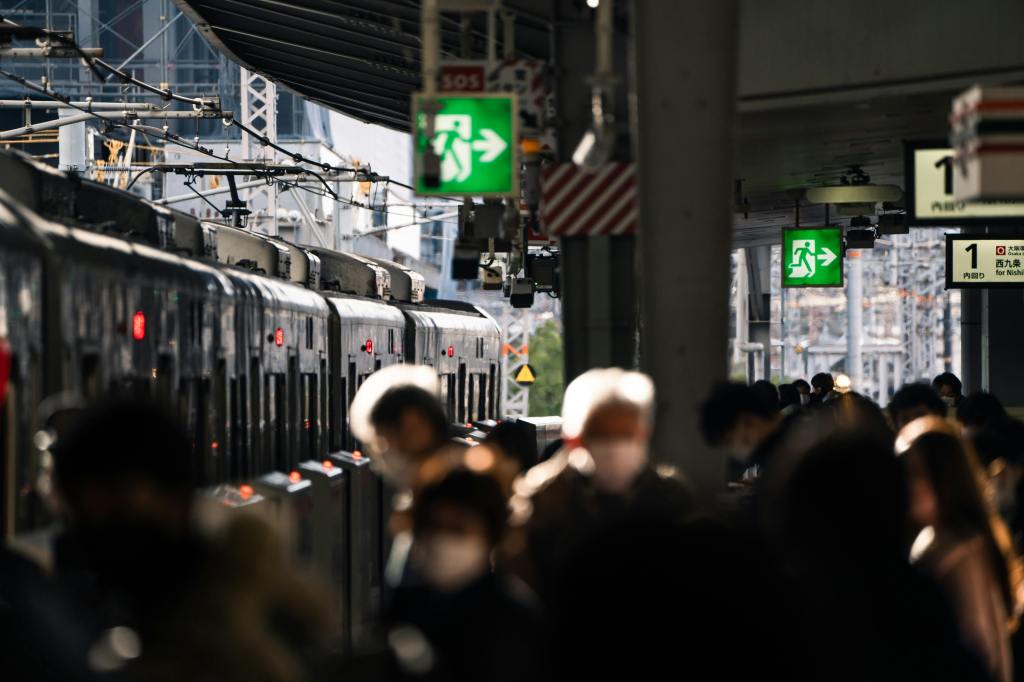
Japan, renowned for its strong work ethic and dedication to success, has long been associated with a unique work culture that often places immense pressure on its workforce. This article delves into the negative aspects of Japan’s work culture, particularly focusing on the impact it has on young people aged 18-30. As we explore the challenges faced by this demographic, we will also examine the potential repercussions for the country over the next 15 years.
As we navigate the challenges faced by Japan’s young workforce, it becomes imperative to project the potential consequences for the country in the foreseeable future. Over the next 15 years, the cumulative impact of burnout, societal expectations, and an unyielding work culture could manifest in a shortage of skilled labor and hindered economic growth. This exploration serves as a prelude to understanding the necessity for reforms that not only alleviate the immediate struggles of the 18-30 age group but also steer Japan towards a more sustainable and adaptable work culture, fostering both individual well-being and national prosperity.
The Dark Side of Dedication: Burnout among Young Workers
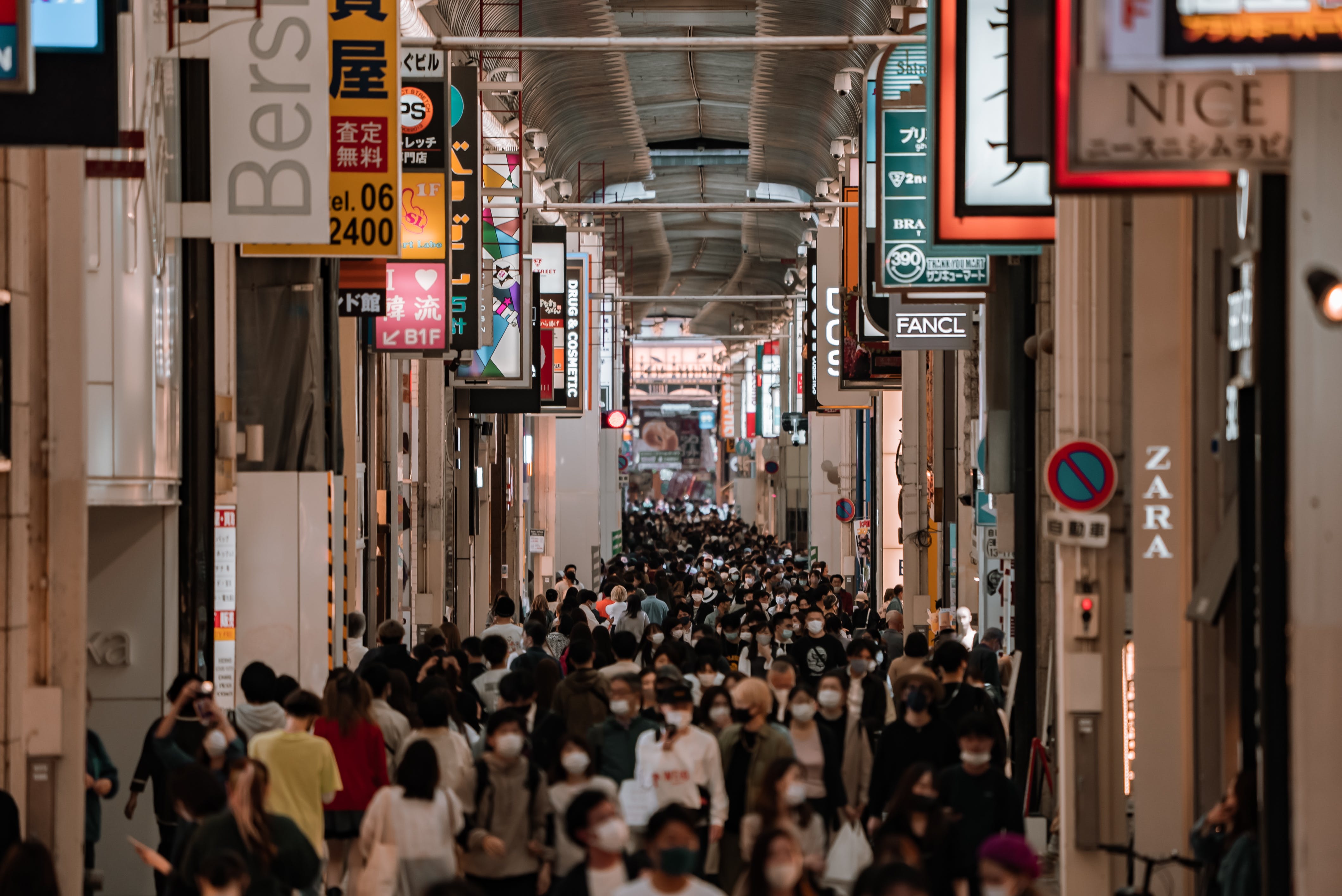
According to a survey conducted by the Japan Institute for Labor Policy and Training, approximately 40% of young employees in Japan report experiencing symptoms of burnout, including chronic fatigue, insomnia, and mental health issues. Long working hours are a significant contributor to burnout. The “karoshi” culture, which translates to death by overwork, has become a grim reality for many young Japanese workers. The prevalence of unpaid overtime and a reluctance to take paid vacation exacerbate the issue. The pressure to conform to societal expectations and meet stringent performance standards creates a toxic environment that leaves young workers struggling to balance their professional and personal lives.
The cultural emphasis on success and societal expectations places an overwhelming burden on young individuals. The fear of failure and the stigma associated with it led to intense stress and anxiety. A study by the Japan Productivity Center revealed that over 70% of young workers feel pressured to prioritize work over personal life, contributing to strained relationships and social isolation. The constant pursuit of success often results in a lack of work-life balance, further exacerbating the mental health challenges faced by young employees.
The Next 15 Years: Projecting the Future of Japan’s Work Conditions
Without substantial reforms, the current work culture is poised to have lasting effects on Japan’s workforce. The declining birth rate and reluctance among young individuals to enter the workforce may lead to a shortage of skilled labor in the coming years. The aging population coupled with an overworked and burnt-out younger generation may hinder innovation and economic growth. A study by the World Economic Forum highlights the potential economic consequences of a disengaged and unhealthy workforce. Policy changes and a shift in organizational attitudes are crucial for mitigating these issues. Initiatives promoting flexible work hours, mental health support, and a reevaluation of performance expectations can contribute to a more sustainable work culture.
Amidst the demanding work culture in Japan, the youth have crafted a dynamic and multifaceted culture that extends beyond the confines of the office. Embracing the need for balance, young individuals aged 18-30 engage in various activities to unwind and find solace. From indulging in the vibrant world of manga and anime to participating in traditional tea ceremonies, the Japanese youth find respite in cultural pursuits that provide both a nostalgic connection to their heritage and a creative escape.
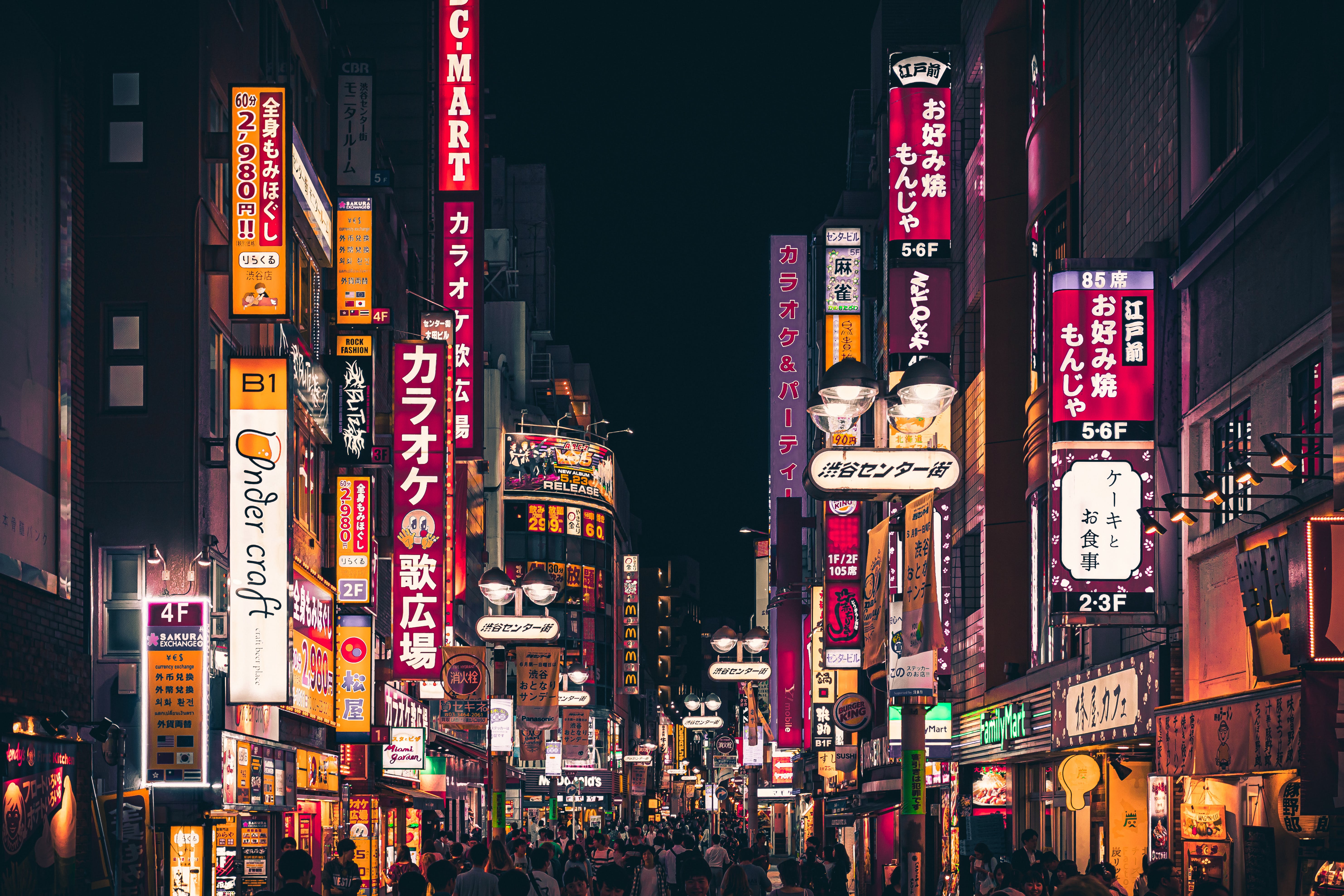
Additionally, socializing takes on a unique form with the widespread popularity of karaoke, gaming cafes, and themed restaurants, offering a lively and interactive avenue for relaxation. Whether exploring the serene landscapes of traditional gardens or embracing the cutting-edge technology of gaming arcades, these activities represent an essential facet of Japanese youth culture, offering a counterbalance to the demanding professional landscape and fostering a sense of camaraderie and leisure in their lives. Even with all of this, it may not be enough to keep the stress of working down.
Japan’s work culture, while rooted in dedication and a strong sense of responsibility, must evolve to address the negative impact it has on the younger generation. By acknowledging the prevalence of burnout and the extreme pressures faced by young workers, Japan can work towards fostering a healthier and more sustainable work environment. The next 15 years will be critical in determining whether the nation can adapt to changing societal needs and cultivate a workforce capable of navigating the challenges of the modern world.





 Classic Entourage Magazine
Leave a reply to PayPlanDebtAdvice Cancel reply