
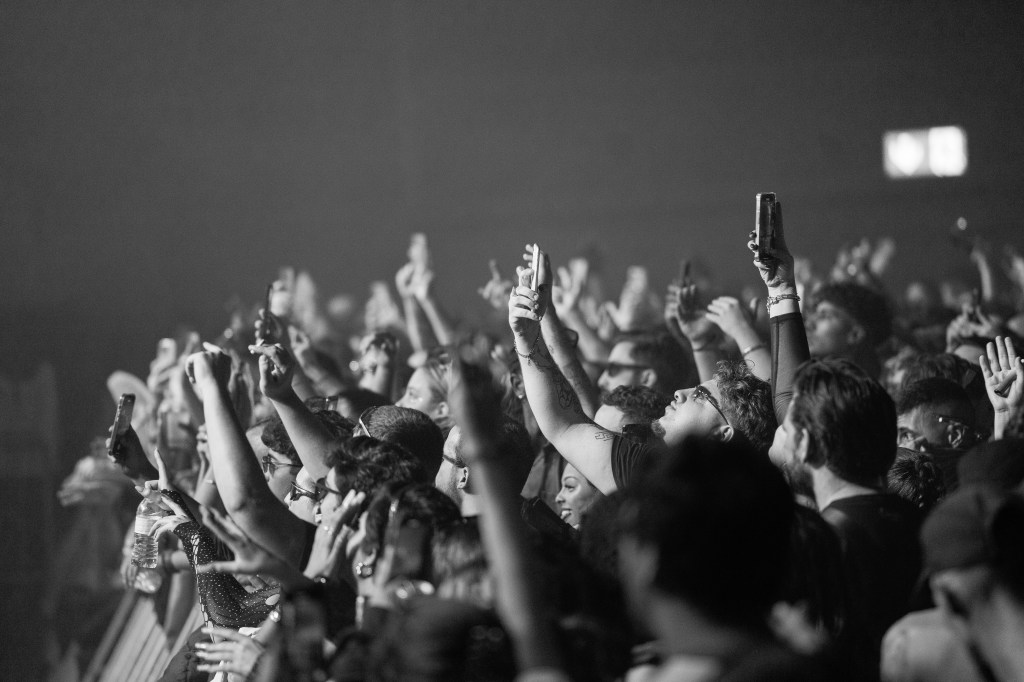
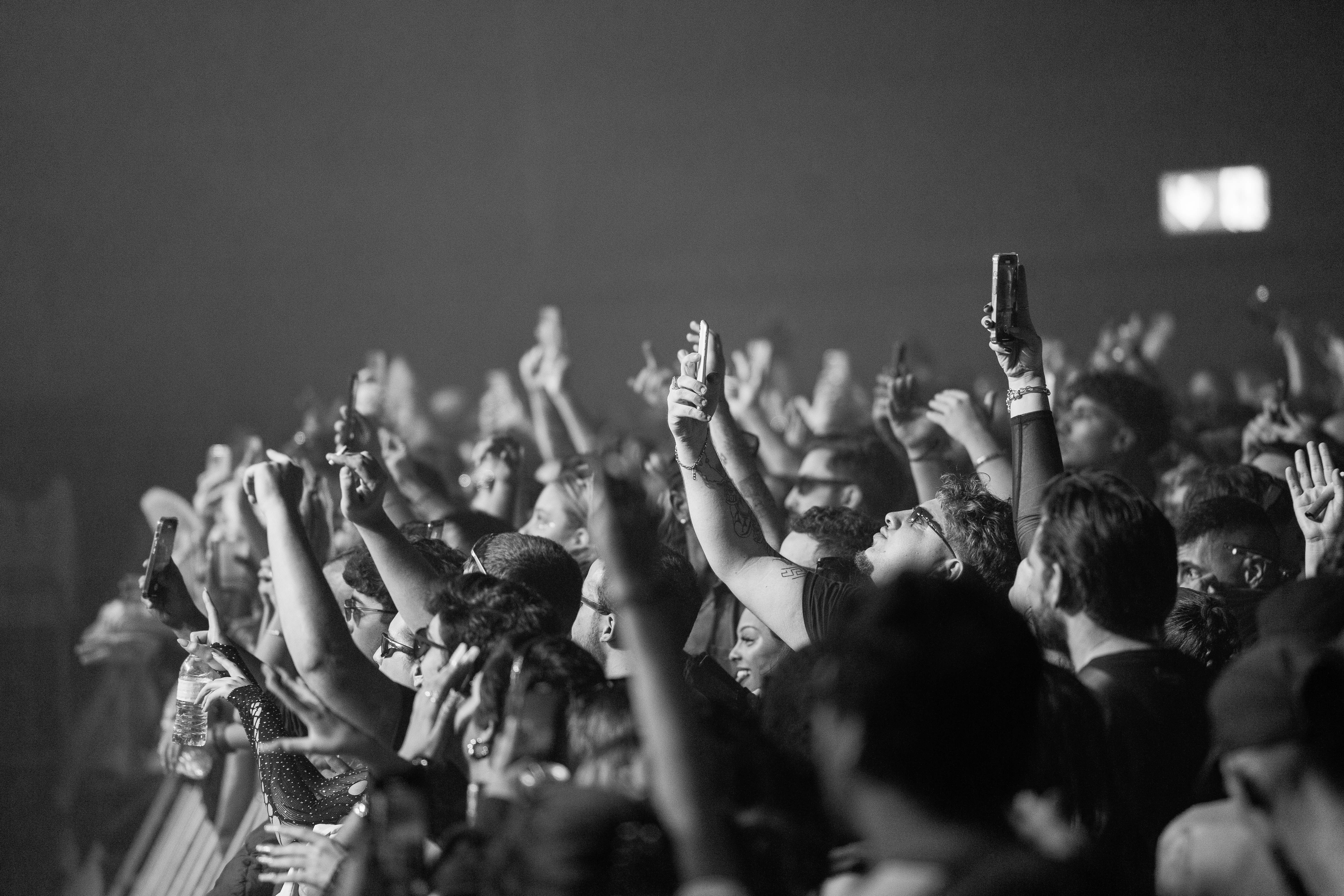
Techno music, created from electronic beats and a desire for innovation, has developed unique cultural identities in both Europe and America. While the core essence of techno is a shared love for rhythm and creativity, its expression on each side of the Atlantic differs significantly due to various factors. Historically, techno’s roots can be traced back to the industrial landscapes of Detroit in the U.S. and cities like Berlin in Germany. Social influences also play a crucial role, with European techno scenes often linked to countercultural movements and political expression, while American techno is part of a broader electronic music culture that includes genres like house and EDM.
Geographical factors further influence the scene, with Europe’s compact cities fostering close-knit communities and America’s vast distances leading to more dispersed scenes. Regulatory factors, such as club operating hours, also contribute to these differences, with European cities often allowing extended club hours compared to the stricter regulations in many American cities. These combined influences shape the distinct yet interconnected techno cultures found in Europe and America.
Historical Roots and Evolution
Europe:
In Europe, the techno scene has deep roots in the post-industrial landscapes of cities like Berlin and Manchester. The fall of the Berlin Wall in 1989 catalyzed a techno explosion in Berlin, turning abandoned buildings into makeshift clubs and fostering a sense of liberation and rebellion. Berlin’s techno culture is renowned for its underground, anti-establishment ethos, with legendary clubs like Berghain symbolizing a space where music, art, and community converge in a 24/7 celebration of freedom.
America:
Techno’s genesis in America traces back to Detroit in the early 1980s, where pioneers like Juan Atkins, Derrick May, and Kevin Saunderson (the “Belleville Three”) fused funk, electro, and futuristic themes to create a new sound. In the United States, techno’s growth was initially more localized, with Detroit serving as the epicenter. Over time, however, the culture spread to other cities like Chicago and New York, albeit with less widespread adoption compared to Europe. The American techno scene has often intersected with other genres, such as house and hip-hop, creating a more eclectic musical landscape.
Club Culture and Social Spaces
Europe:
European techno culture is epitomized by its vibrant club scene, where clubs are not merely venues but cultural institutions. Berlin’s Berghain, Tresor, and London’s Fabric are revered not just for their music but for their immersive experiences, sound systems, and the sense of belonging they foster. In cities like Amsterdam, techno festivals like Awakenings and Dekmantel draw international crowds, emphasizing community and the shared experience of music.
America:
In contrast, the American techno scene is more dispersed, with fewer clubs dedicated exclusively to techno. Major cities host techno nights within larger club ecosystems, and the festival circuit plays a significant role. Events like Movement in Detroit, Ultra Music Festival in Miami, and Electric Daisy Carnival in Las Vegas are key gathering points, showcasing techno alongside a spectrum of electronic genres. The sense of community is strong but often more transient, centered around these periodic events rather than permanent venues.
Club Hours and Regulations
Europe:
One of the most notable differences in techno culture between Europe and America is the regulatory environment, particularly concerning club hours. European cities, especially those with vibrant techno scenes like Berlin and Amsterdam, often have lenient laws regarding club operating hours. Clubs in Berlin, for instance, can stay open for days on end, allowing for marathon parties that start on Friday night and continue well into Monday morning. This flexibility fosters a unique party culture where the music and community experience are not bound by strict closing times, creating a more immersive and liberated atmosphere.
America:
In contrast, the majority of American cities enforce strict closing times for clubs and bars, often around 2 AM. This significantly impacts the nightlife and club culture, shortening the duration of events and leading to a different pacing and energy. Exceptions exist in some cities, such as New York, Miami, and Las Vegas, where clubs may have extended hours or 24-hour licenses, but these are the minority. The earlier closing times in most cities result in a nightlife experience that is more condensed and less continuous, influencing how events are organized and experienced.
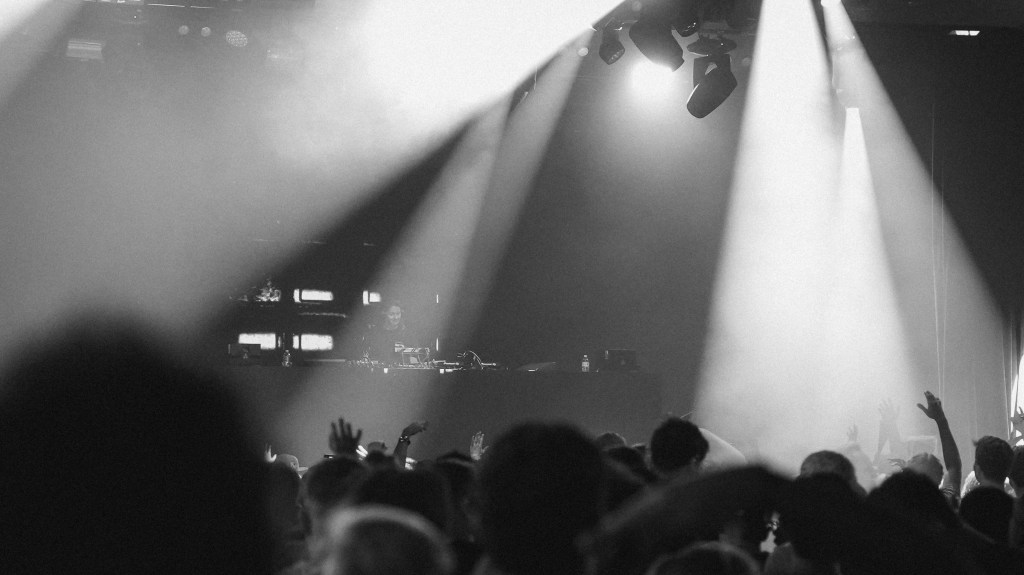
Berlin’s techno culture is renowned for its underground, anti-establishment ethos, with legendary clubs like Berghain symbolizing a space where music, art, and community converge in a 24/7 celebration of freedom.
Sociocultural Context
Europe:
In Europe, techno is deeply embedded in the cultural fabric, often associated with countercultural movements and political expression. Berlin’s scene, for example, is intertwined with LGBTQ+ culture, providing a safe space for self-expression and resistance against societal norms. The egalitarian ethos, with an emphasis on inclusivity and non-commercialism, is a hallmark of European techno culture.
America:
In the United States, techno is part of a broader electronic music culture that includes EDM and house. While techno purists exist, the mainstream appeal of electronic music has led to commercialization and a different social context. American techno culture is less about political expression and more about the celebration of music as an art form and lifestyle. The underground scene still holds significant value, particularly in cities like Detroit and New York, where intimate warehouse parties keep the original spirit alive.
Technological and Artistic Influence
Europe:
European artists and DJs are known for pushing the boundaries of techno through innovation and experimentation. Labels like Ostgut Ton and Kompakt have been instrumental in shaping the sound and aesthetic of modern techno. The integration of visual arts, performance, and multimedia experiences in clubs and festivals reflects a holistic approach to the genre.
America:
In America, techno’s technological influence is notable, given its roots in Detroit’s industrial backdrop. American techno often incorporates raw, mechanical sounds, reflecting its origins. However, the artistic influence tends to be more diverse, with cross-pollination from hip-hop, house, and other genres. American artists frequently blend these influences, resulting in a distinct, hybrid sound.
While techno culture in Europe and America shares a common origin, the divergent paths it has taken in each region highlight the influence of historical, social, cultural, and regulatory contexts. European techno culture is marked by its deep integration into the cultural fabric, its political and social dimensions, and its celebrated club scene with extended hours that allow for an unparalleled immersion in the music. In America, techno is part of a broader electronic music spectrum, characterized by a blend of genres, commercialization, and a focus on festivals and events within more regulated nightlife environments. Both cultures, however, continue to evolve and influence each other, united by a shared love for the relentless beat of techno music.
Make sure to like, share and subscribe to our magazine!

 Classic Entourage Magazine
Leave a comment