
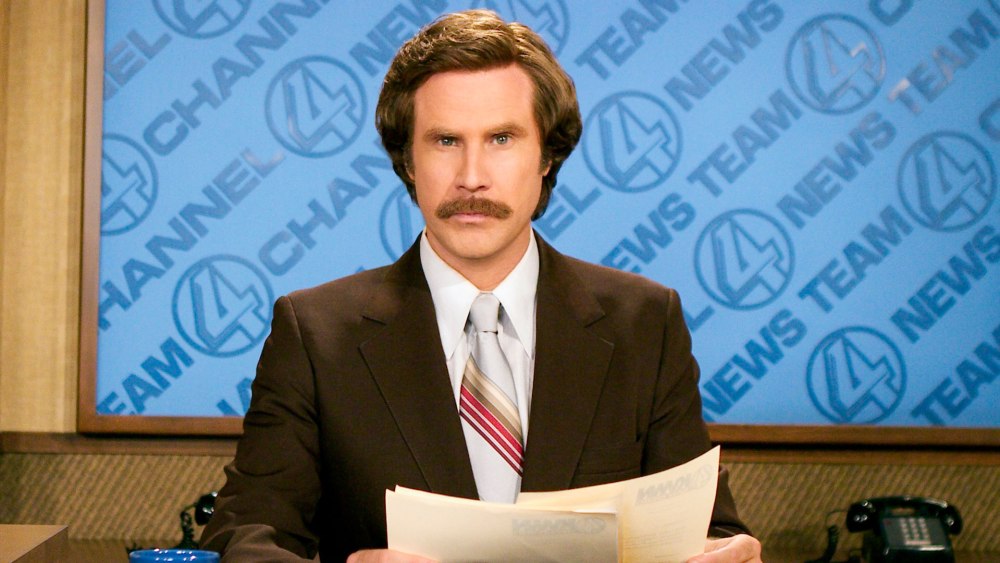
In the annals of cinema history, there was a time when the laughter of audiences echoed through theaters, when comedic geniuses graced the silver screen with their wit and charm. The early 2000’s emerged as the heyday of comedy movies, a golden era that saw the birth of timeless classics and the pinnacle of comedic excellence. However, as we stand on the precipice of a new era, it’s becoming increasingly evident that the death knell has tolled for traditional comedy movies as we once knew them.
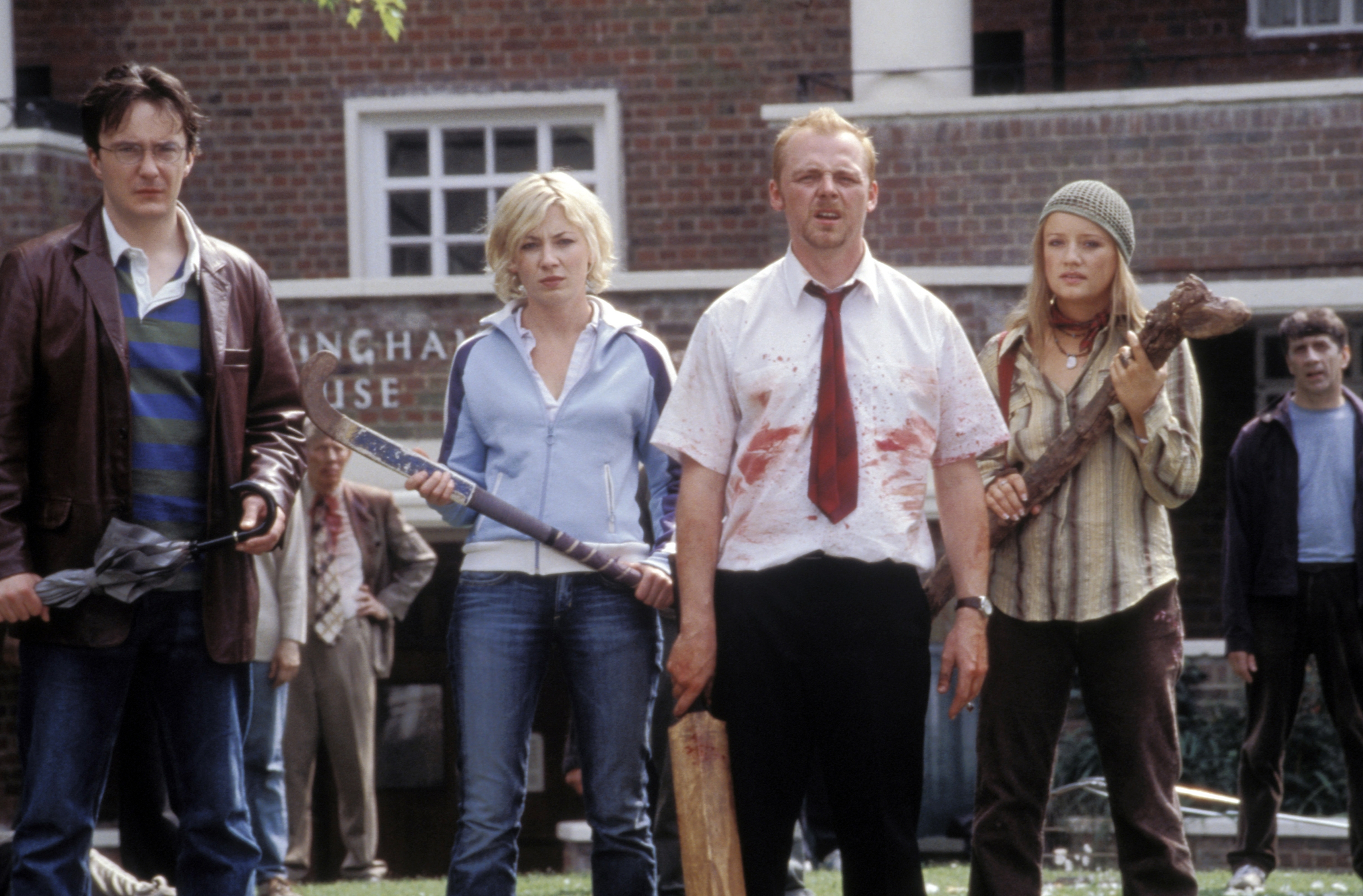
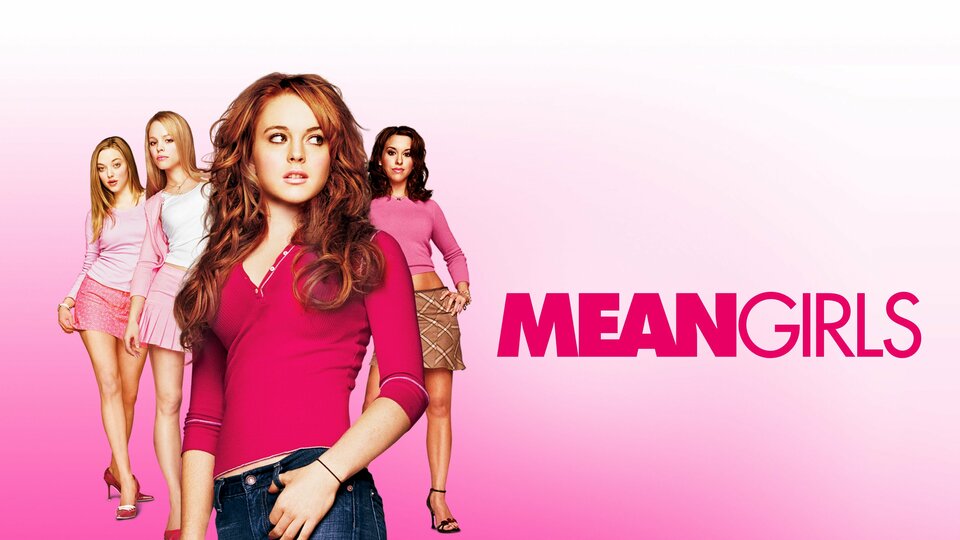
Cast your mind back to the glory days of comedy in cinema, and one year stands out among the rest like a beacon of hilarity: 2004. It was a year that gifted us with an unparalleled array of comedic masterpieces, each leaving an indelible mark on the genre. From the irreverent antics of “Anchorman: The Legend of Ron Burgundy” to the sidesplitting satire of “Mean Girls” the year epitomized the zenith of comedic storytelling. Joining these iconic films were other gems such as “Dodgeball: A True Underdog Story,” a sports comedy packed with memorable quotes and outrageous characters, and “Napoleon Dynamite” an offbeat indie comedy that became a cult favorite with its deadpan humor and quirky characters. Additionally, “Shaun of the Dead” cleverly blended elements of zombie apocalypse with British humor, while “Team America: World Police” provided biting satire and over-the-top action using marionettes to portray world leaders and anti-terrorist operatives. Together, these films exemplified the rich tapestry of comedy that defined 2004 in cinema history.
But what was it about this particular era that allowed comedy to flourish so magnificently? Perhaps it was the convergence of talent, timing, and cultural relevance that coalesced to create a perfect storm of laughter. Comedy icons such as Will Ferrell, Tina Fey, and Seth Rogen graced our screens with performances that transcended mere entertainment, becoming cultural touchstones in their own right.
However, as the years rolled on, the landscape of cinema began to shift. Traditional comedy movies found themselves increasingly overshadowed by a new breed of film: the modern action-comedy. These films, typified by their blend of high-octane action and irreverent humor, began to dominate the box office, drawing audiences away from the more traditional fare.
One need only look at the meteoric rise of franchises like the Marvel Cinematic Universe to understand the seismic shift in audience preferences. These modern action movies, while undeniably entertaining, have supplanted the classic comedy genre, offering audiences a different brand of humor wrapped in the guise of explosive spectacle.
In the years following the comedic heyday of the early 2000s, a noticeable shift occurred in the landscape of cinema as movies became progressively less funny. One contributing factor to this decline was the changing tastes and preferences of audiences, who increasingly gravitated towards spectacle-driven blockbusters and franchise films. As studios chased the allure of box office success, the emphasis shifted away from traditional comedy storytelling towards high-concept action-adventures and superhero epics. This transition led to a dearth of original comedy content and a reliance on established formulas, resulting in a homogenization of humor that failed to capture the wit and charm of earlier comedic classics.
Consequently, studios faced increased pressure to deliver content that could compete in an oversaturated market, often prioritizing safe and formulaic projects over riskier, boundary-pushing comedies.
Classic Entourage Magazine
Moreover, the rise of digital streaming platforms and the proliferation of content across various mediums fragmented audience attention and diluted the impact of comedy in cinema. With a seemingly endless array of entertainment options at their fingertips, viewers became accustomed to binge-watching television series or consuming bite-sized comedic content online, diminishing the appeal of traditional feature-length comedies. Consequently, studios faced increased pressure to deliver content that could compete in an oversaturated market, often prioritizing safe and formulaic projects over riskier, boundary-pushing comedies. As a result, the once-thriving genre of comedy movies found itself marginalized in favor of more lucrative and commercially viable ventures, contributing to the overall decline in comedic quality on the big screen.
But does the ascendance of the modern action-comedy truly signal the death of traditional comedy movies? While it may seem so, it’s important to remember that laughter, like all art forms, is a resilient force that adapts and evolves over time. While the landscape of cinema may be changing, comedy itself remains as vital and vibrant as ever.
In the end, perhaps the death of comedy movies as we know them is not a death at all, but rather a transformation. As the boundaries between genres blur and new forms of storytelling emerge, the spirit of comedy lives on, waiting to delight and entertain audiences for generations to come. So let us bid farewell to the old guard with fondness and gratitude, knowing that laughter will always find a way to brighten our lives, no matter the cinematic landscape. We can always go back and rewatch the best films from the comedy glory days. \
Make sure to like, share and subscribe to our site!



 Classic Entourage Magazine
Leave a comment