
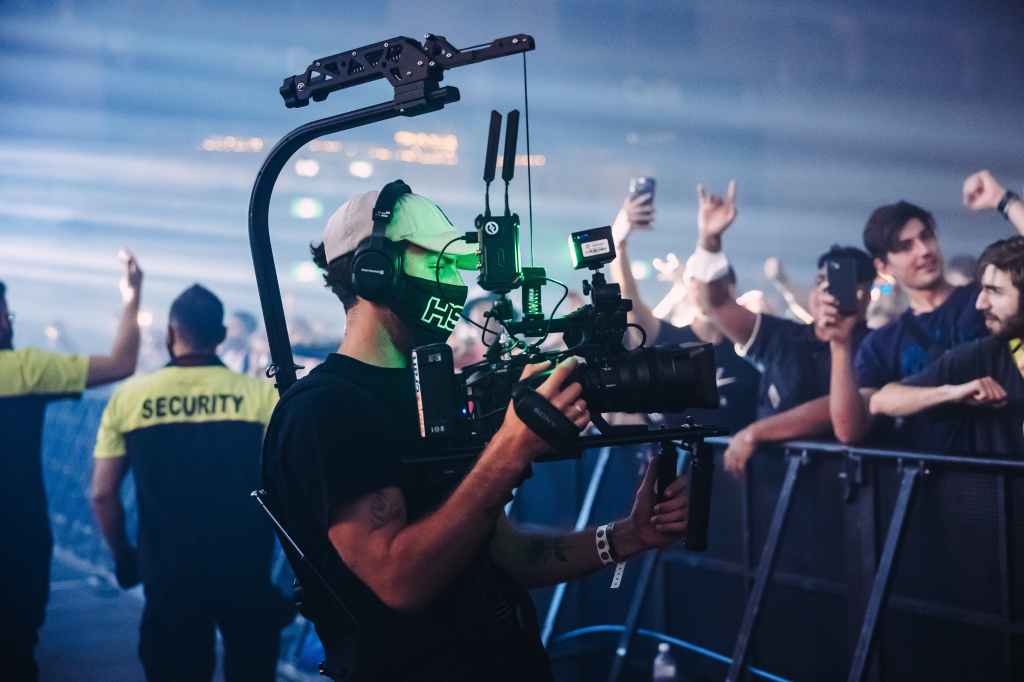
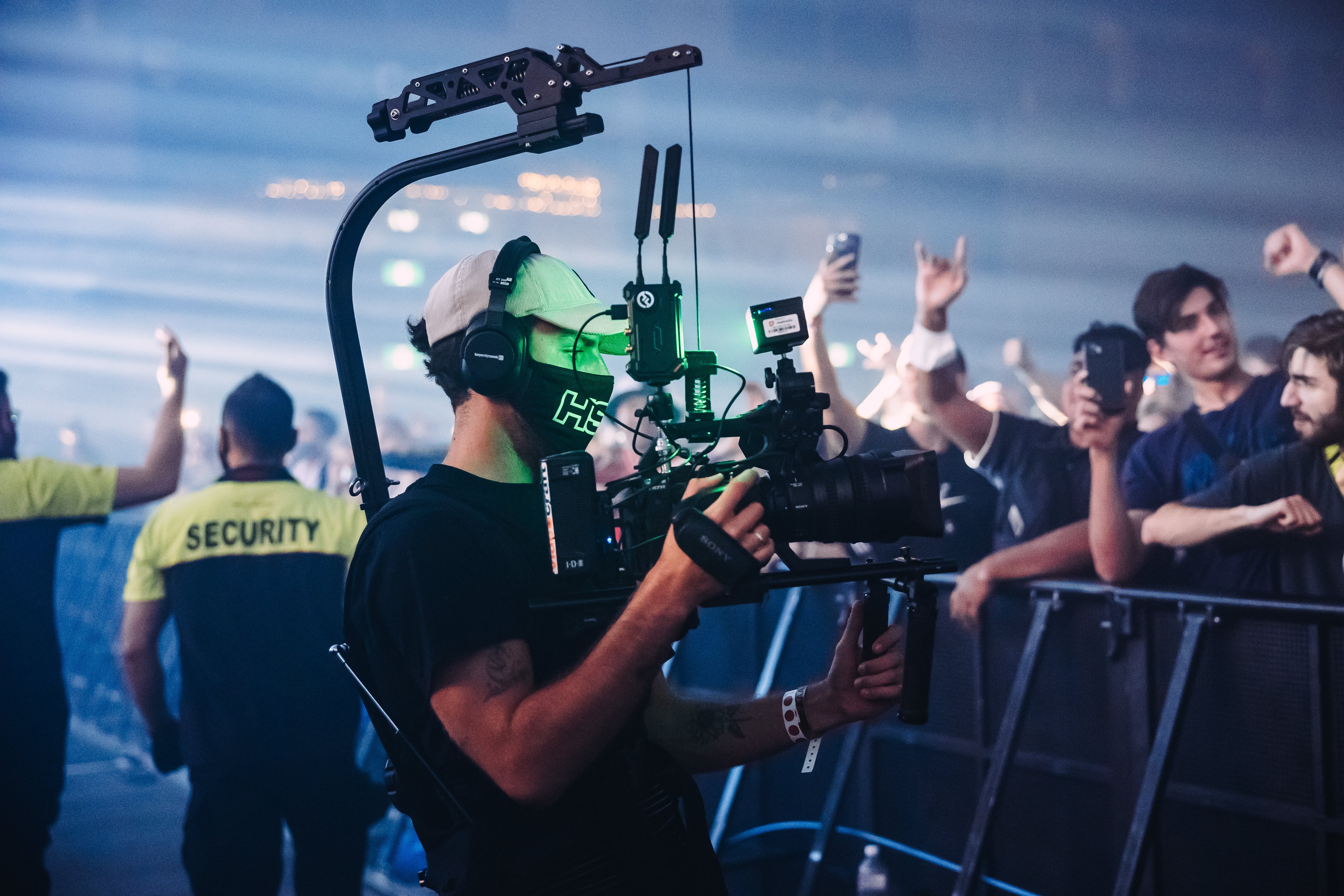
Recently a video has gone viral of a concert videographer being pushed by another media person and “flipped off” because they were perceived to be in the shot. One worked for the artist performing while the other worked for venue/festival itself. This sparked an online debate about who was in the right or the wrong. Here at CE Mag we aren’t going to take a stance on this as we think everyone in the situation could benefit for a little more professionalism however, we decided to write a little guide on the proper etiquette of being a concert media professional. We recently chatted about how to get into concert photography and the likes in our article here.
Interactions among media personnel play a crucial role in shaping the narrative, fostering collaboration, and ensuring smooth operations during events. Whether it’s filming festivals, covering shows, or reporting on breaking news, how individuals interact with their peers significantly influences the overall success of the media coverage. Understanding the principles of respectful and collaborative interaction among media professionals is essential for maintaining professionalism and achieving common goals.
Establish Clear Communication Channels:
Prioritize open and clear communication channels among media personnel, whether they belong to the same organization or different outlets. Utilize communication tools such as group messaging apps, walkie-talkies, or designated meeting points to coordinate coverage plans and share important updates. Respect deadlines and commitments by promptly responding to inquiries or requests from fellow media colleagues.
Foster Collaboration Over Competition:
You have to take your ego out of the situation when you are working with artists, events and other media people. Embrace a collaborative mindset, recognizing that media coverage is often a collective effort aimed at delivering comprehensive and accurate information to the audience. Share resources, insights, and contacts with fellow media personnel to enhance the quality and depth of coverage. Avoid engaging in cutthroat competition or undermining the work of other media professionals, as it detracts from the shared objective of informing the public.
Media Hierarchy:
At a festival, media priority typically follows a hierarchical structure. First and foremost, the festival itself holds top priority as it seeks to promote its brand, lineup, and overall experience to a broader audience. Next in line are the promoters who work tirelessly to ensure the success of the event and often have contractual obligations with media partners. Artists, while crucial for drawing in crowds, generally come after the festival and promoters in terms of media priority. However, this hierarchy can vary depending on the specific agreements and arrangements between parties involved, with certain artists or performances garnering more attention and priority over others. Ultimately, the goal is to strike a balance that maximizes exposure for all stakeholders involved while enhancing the overall festival experience.
However, bigger artists often bring their own media teams to festivals, equipped with professional photographers, videographers, and publicists. These teams play a pivotal role in capturing the artist’s performance and creating promotional content for various platforms. Due to the stature and influence of these artists, their media teams typically receive priority over others in order to promote their content effectively. Festival organizers recognize the importance of showcasing high-quality content featuring headline acts to attract larger audiences and generate buzz. As a result, these artists’ media teams may have privileged access to prime shooting locations, backstage areas, and exclusive interviews, ensuring that their coverage stands out amidst the festival’s media landscape. While this may sometimes lead to logistical challenges or conflicts with other media outlets, accommodating the needs of bigger artists and their teams is often seen as a strategic investment in maximizing the festival’s visibility and prestige.
Respect Personal and Professional Boundaries:
This may seem pretty basic but make sure to acknowledge the diverse backgrounds, expertise, and perspectives of fellow media colleagues, fostering an environment of mutual respect and appreciation.
Respect personal boundaries, including individual preferences for working styles, privacy, and interactions. Refrain from intrusive or disruptive behavior that could compromise the integrity of media coverage or detract from the professionalism of the team. Do not walk or stand in front of another media person to get your own shot. Share the stage, there is plenty of room.
Offer Support and Assistance:
Extend support and assistance to fellow media personnel during challenging or high-pressure situations, demonstrating solidarity and camaraderie. Share tips, resources, and insights gleaned from experience to help colleagues navigate unfamiliar territories or overcome obstacles.
Recognize and celebrate the achievements and contributions of fellow media professionals, fostering a culture of encouragement and empowerment.
Resolve Conflicts Constructively:
This is all about professionalism! Address conflicts or disagreements among media personnel promptly and constructively, seeking resolution through open dialogue and mediation. Do this outside of the eyes of the concert goers. If this happens on stage, pull the person or persons in conflict to the side and discuss ways to handle the situation. Practice active listening and empathy when addressing concerns raised by colleagues, striving to find mutually acceptable solutions. Engage in conflict resolution processes with a focus on preserving professional relationships and upholding the integrity of media coverage.
Interactions among media personnel are integral to the success and integrity of media coverage across various contexts. By prioritizing clear communication, fostering collaboration over competition, respecting personal and professional boundaries, offering support and assistance, and resolving conflicts constructively, media professionals can cultivate a culture of professionalism, respect, and mutual support within the industry. Embracing these principles enhances the collective efficacy of media coverage efforts while reinforcing the vital role of media in informing and engaging the public.
 Classic Entourage Magazine
Leave a comment