
Hip-hop, a genre known for its ever-changing landscape, has undergone significant transformations over the years. One notable shift has been the gradual decline of Boom Bap rap, a style that dominated the scene during the ‘Golden Age’ of the late 1980s and 1990s. Simultaneously, the rise of mumble rap has taken center stage, with divided opinions and sparking discussions about the direction of the genre. In this article, we explore the factors contributing to the decline of Boom Bap and the ascent of mumble rap, shedding light on where the industry is heading and the perspectives of entertainment industry leaders. In this article we will talk about the culture behind both genres of music as well as provide examples of both.
The Decline of Boom Bap
The decline of Boom Bap rap can be attributed to several factors that have reshaped the hip-hop landscape. As the genre expanded and diversified, artists began exploring new production techniques and styles, moving away from the traditional Boom Bap sound. The industry’s embrace of technological advancements also played a role, with the rise of digital production tools and the accessibility of samples contributing to a shift in sonic aesthetics.
Additionally, changing societal dynamics and cultural influences brought forth new voices and perspectives, leading to the emergence of sub-genres like mumble rap. The ascent of mumble rap signifies a departure from the intricate lyricism and storytelling of Boom Bap, favoring a more melodic and rhythmic approach that resonates with a younger, contemporary audience. This transformation has sparked debates within the hip-hop community, reflecting the ongoing evolution of the genre and the diverse tastes of its listeners.
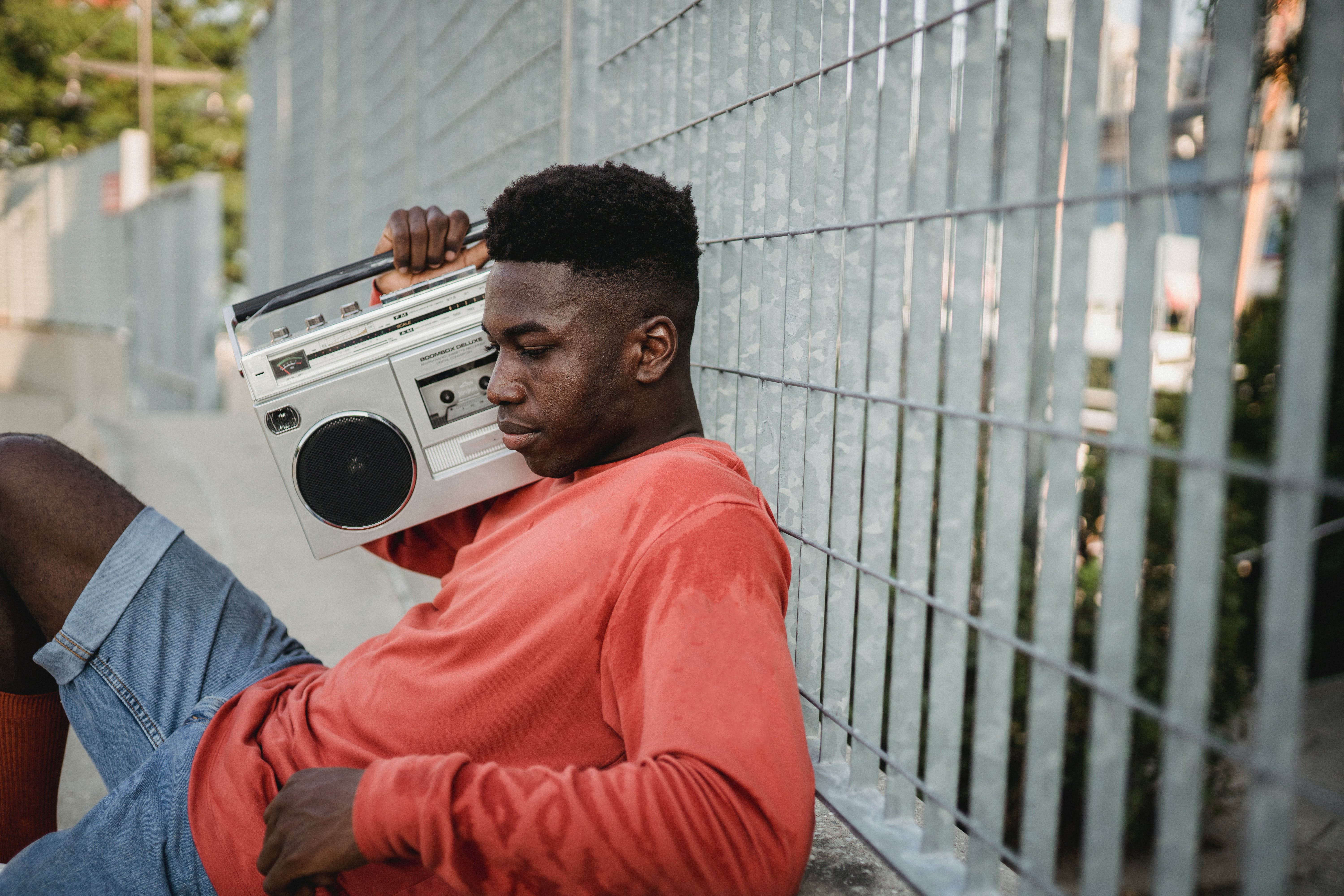
Boom Bap, characterized by its distinctive drum patterns, soulful samples, and intricate lyricism, was a hallmark of hip-hop’s ‘Golden Age.’ Artists like Nas, Wu-Tang Clan, and A Tribe Called Quest helped shape this era, emphasizing storytelling and socially conscious themes. However, as hip-hop evolved, new sub-genres emerged, capturing the attention of younger audiences with different tastes.
One reason for the decline of Boom Bap is the natural evolution of musical styles. As the genre expanded, artists sought to push boundaries and experiment with new sounds, leading to the emergence of trap, drill, and mumble rap. The shift in production styles and lyrical approaches gradually marginalized Boom Bap, relegating it to a niche within the broader hip-hop landscape.
The Rise of Mumble Rap:
Mumble rap, characterized by its emphasis on melodic flows, repetitive hooks, and often unconventional lyrical delivery, gained prominence in the late 2010s. Artists like Future, Lil Uzi Vert, and Playboi Carti brought a new energy to the genre, incorporating influences from trap and electronic music. Mumble rap’s infectious beats and catchy melodies resonated with a younger generation, contributing to its meteoric rise.
The impact of listening to mumble rap on the youth in inner cities is a complex and multifaceted phenomenon. On one hand, proponents argue that mumble rap provides an outlet for self-expression and resonates with the experiences of urban youth. The genre’s emphasis on catchy beats and melodic flows can offer a sense of escapism and empowerment, providing a sonic backdrop to the struggles and triumphs of inner-city life.
However, critics express concerns about the potential negative effects of mumble rap on the youth. Some argue that the often simplistic and repetitive nature of lyrics in mumble rap may contribute to a decline in lyrical complexity and thoughtful storytelling. This, in turn, could impact language development and critical thinking skills among listeners. Additionally, the glamorization of certain lifestyles and the promotion of materialism in some mumble rap lyrics may influence attitudes and aspirations, potentially reinforcing negative stereotypes.
Critics argue that mumble rap sacrifices lyrical complexity for catchy hooks and beats, but its popularity cannot be denied. The genre has become a driving force in shaping contemporary hip-hop, dominating streaming platforms and influencing fashion and culture.
The Industry’s Perspective:
As Boom Bap’s influence waned, industry leaders are taking note of the changing landscape. Many acknowledge the impact of mumble rap on the genre’s trajectory, recognizing its ability to connect with a global audience. While some purists lament the loss of Boom Bap’s intricate lyricism, others see the evolution as a necessary step for hip-hop to remain relevant and inclusive.
Entertainment industry leaders envision a future where hip-hop continues to diversify, incorporating elements from various genres and cultures. The rise of hybrid styles, collaborative efforts, and increased global connectivity through technology are expected to shape the industry’s future.
The death of Boom Bap rap and the rise of mumble rap mark a transformative period in hip-hop’s history. While nostalgia for the ‘Golden Age’ persists, the genre’s ability to adapt and evolve ensures its enduring relevance. As the industry moves forward, the fusion of diverse influences, the embrace of new production techniques, and the exploration of uncharted lyrical territories will define the future of hip-hop. The ongoing conversation between traditionalists and those pushing the boundaries exemplifies the dynamic nature of a genre that continues to captivate audiences worldwide.

 Classic Entourage Magazine
Leave a comment