
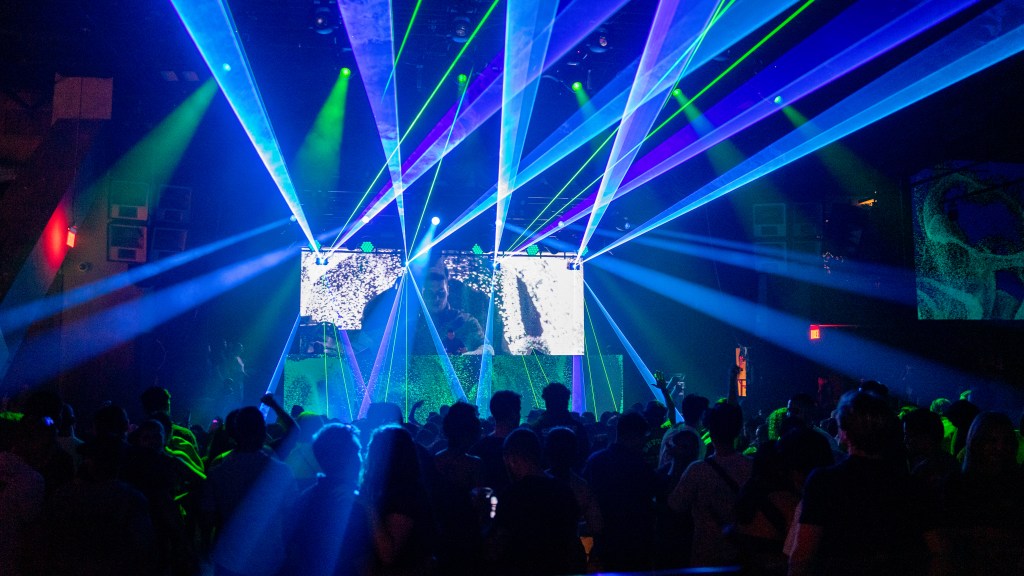
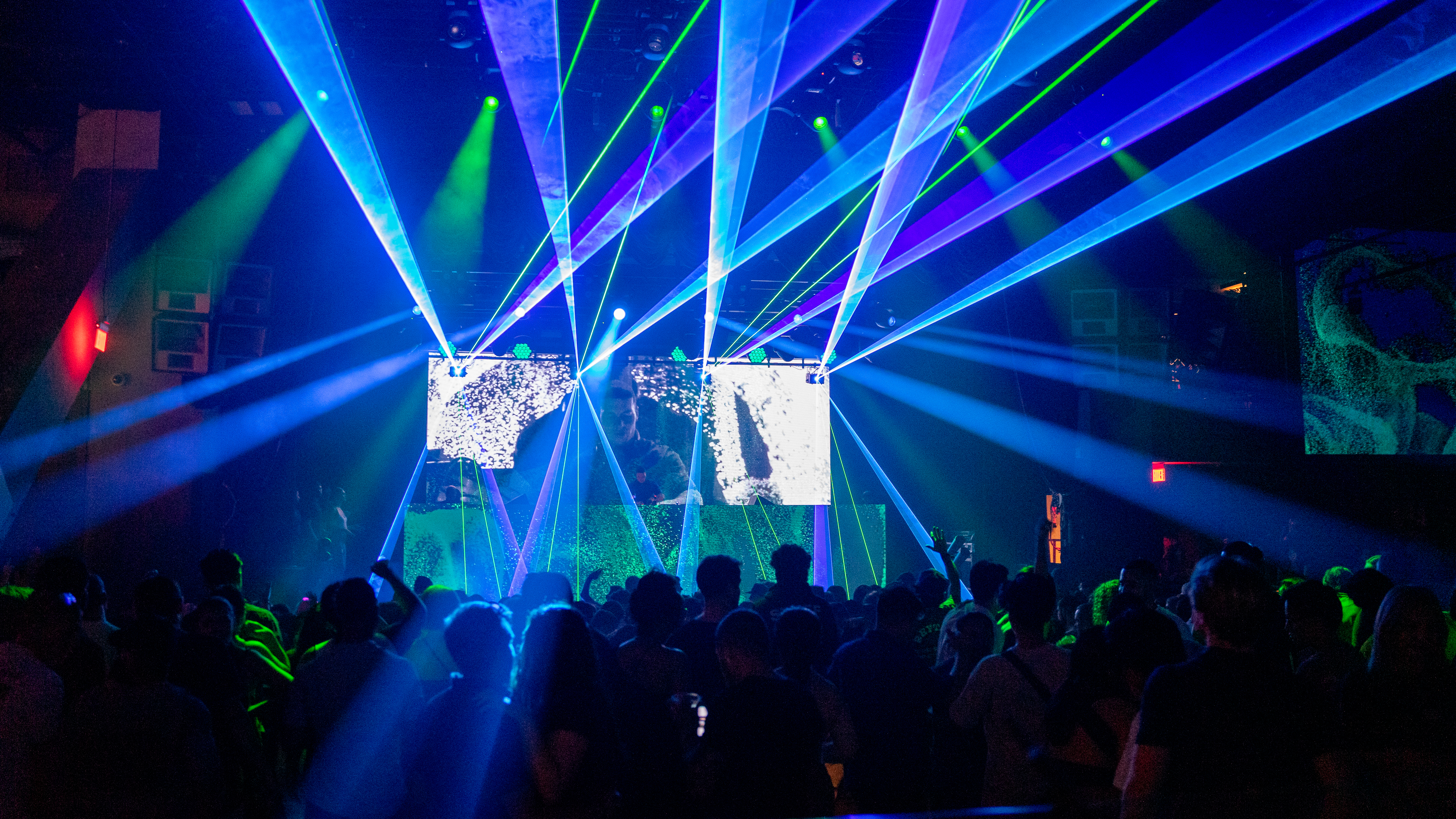
In urban environments, electronic music venues stand as unique architectural wonders, designed to seamlessly integrate with the sonic experience. These spaces go beyond being simple locations for musical performances; they evolve into immersive environments where the interplay between design and acoustics elevates the electronic music experience. The careful selection of materials, intentional spatial layouts, and strategic lighting design contribute to a communal atmosphere that fosters a sense of collective energy, transforming these venues into more than just stages for music.
The symbiotic relationship between design and music extends beyond the performances, creating a dynamic dialogue between the physical and the auditory. These venues, each with its own unique characteristics, contribute to the diversity of the electronic music experience. As living entities, they breathe with the beats, echo with the collective pulse of the crowd, and pulsate with the vibrant energy of urban life. Electronic music venues are architectural portals to immersive sonic realms, where design and acoustics harmoniously dance, captivating the senses and leaving an indelible mark on the ever-evolving landscape of electronic music culture.
The Blueprint of Soundscapes: Architectural Brilliance

The design of electronic music venues serves as the first chapter in the sonic narrative. Architectural elements play a crucial role in shaping the atmosphere and visual appeal of these spaces. Take, for example, the use of multi-tiered layouts, LED screens, and dynamic lighting systems. These elements are carefully orchestrated to create an environment that not only complements the music but enhances the overall experience for attendees.
Venturing into the architectural blueprint of these venues reveals intentional choices that amplify the electronic music journey. The strategic placement of features such as sound-reflective surfaces, open spaces, and unique structural elements contributes to the creation of immersive sonic environments. The fusion of historic charm with contemporary design in some venues, and the avant-garde futuristic approach in others, showcases the diverse ways architects weave narratives within the physical space, setting the stage for the electronic symphony to unfold.
Harmony in Waves: Acoustic Considerations
Beyond the visual spectacle, the true magic of electronic music venues lies in their ability to harmonize architecture with acoustics. Acoustic considerations become the silent architects of the sonic landscape, shaping how music reverberates within the space. Ingenious sound engineering and acoustical treatments are strategically integrated to ensure that every beat, every note, resonates with crystal clarity.
These venues become acoustic playgrounds where sound engineers meticulously calibrate speaker placement, sound-absorbing materials, and reverberation times to create an auditory experience that transcends the ordinary. The intentional crafting of acoustic environments is a nod to the commitment of these spaces to preserve the integrity of the music, allowing electronic beats to traverse the venue with fidelity.

Where Design Meets Sonic Expression
The true beauty of electronic music venues lies in the symbiotic relationship between design and sound. The architectural choices are not merely aesthetic; they become integral to the sonic narrative. The deliberate merging of visual aesthetics with acoustic precision creates an immersive experience where every aspect of the space contributes to the overarching electronic symphony.
As we explore the architectural and acoustic considerations that make these spaces unique, we unveil a world where design isn’t just a backdrop but an active participant in the electronic music experience. The venues themselves become instruments, resonating with the beats and melodies crafted by artists. It’s a harmonious marriage where architecture becomes a silent conductor, guiding the audience through the sonic landscapes of electronic music. Genres such as Hard Techno and other underground sounds utilize lighting in a much simpler way.
In conclusion, the architectural brilliance and acoustic mastery of electronic music venues transform them into more than mere stages; they become vessels for sonic exploration. Each venue tells a unique story through its design, and each note reverberates within spaces meticulously crafted to elevate the electronic music experience. These venues stand as testaments to the fusion of creativity, technology, and sound, leaving an indelible mark on the tapestry of urban culture.
Photo Credits from Shamada Productions



 Classic Entourage Magazine
Leave a comment